
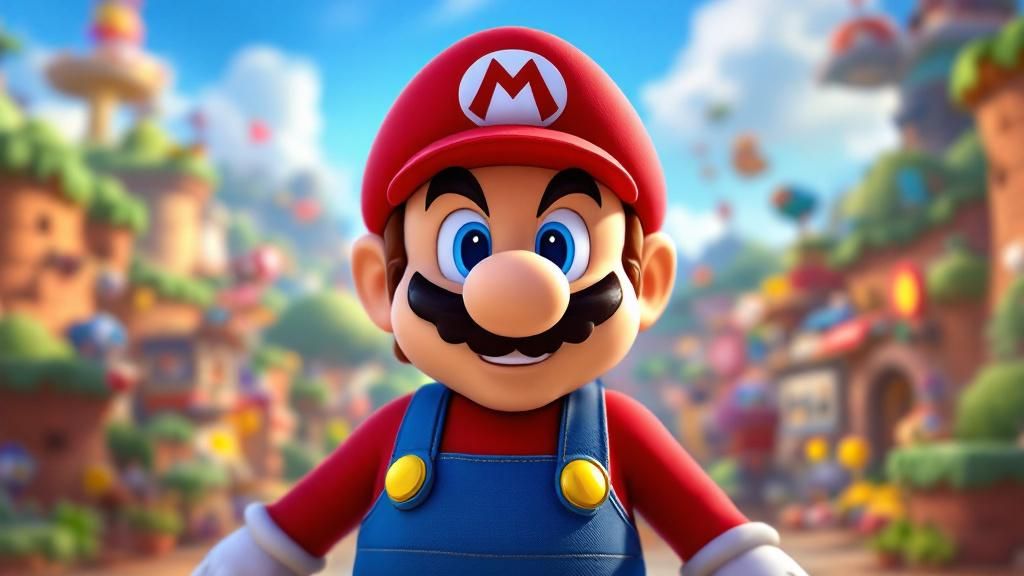
The Mario franchise continues to be an unstoppable force in the gaming industry, regularly occupying the top positions on European sales charts and solidifying its status as a global phenomenon. From innovative platformers to competitive sports titles, Nintendo’s iconic plumber and his companions continue to captivate millions of players worldwide. This article explores how Mario games sustain their remarkable market dominance, examining the latest releases, player engagement trends, and the franchise’s unprecedented influence on modern video game commerce across international markets.
Record-Breaking Revenue Results Across the European Market
The Mario franchise has attained unprecedented sales achievement across gaming markets across Europe, with new releases consistently ranking amongst the continent’s highest-grossing titles. Nintendo’s latest offerings have demonstrated remarkable staying power on sales charts, sustaining robust growth throughout consecutive quarters. This exceptional performance emphasises the lasting popularity of Mario games to both seasoned gamers and newcomers alike, crossing age demographics and establishing new benchmarks for commercial achievement within the European gaming market.
Financial analysts have attributed this sustained dominance to the franchise’s varied range, encompassing various gaming genres and platforms. From fast-paced action games to interactive team-based games, Mario titles cater to an remarkably wide audience demographic. The consistent quality of releases, coupled with targeted promotional campaigns and robust player engagement, has propelled the franchise to unprecedented heights. European retailers report exceptional customer interest, with stock regularly sold out shortly after launch, reflecting the franchise’s exceptional consumer reach and player commitment across the continent.
Market Expansion and Regional Success
The Mario franchise’s dominance transcends specific regions, exhibiting remarkable adaptability throughout various European regions. Nintendo has strategically tailored its product launches and promotional strategies to resonate with local tastes, whilst maintaining the core appeal that defines the brand globally. This nuanced approach has permitted Mario titles to capture substantial market share in mature and developing gaming territories, cementing the franchise’s status as Europe’s leading gaming property.
Western European
Western European markets, particularly the United Kingdom, Germany, and France, continue to represent the strongest revenue generators for Mario titles. New entries have recorded unprecedented sales figures in these regions, with players demonstrating unwavering loyalty to Nintendo’s flagship franchise. The blend of nostalgic charm amongst adult gamers and enduring popularity amongst junior gamers has fostered a uniquely robust market position that competitors find difficult to match effectively.
Retail activity across Western Europe shows the franchise’s cultural importance within the gaming landscape. Major retailers confirm regular stock unavailability for latest Mario titles, whilst digital storefronts record exceptional download volumes. This two-channel triumph illustrates that Mario’s popularity transcends conventional gaming audiences, cementing the franchise as a mainstream entertainment phenomenon rather than just a focused gaming category.
Central and Eastern European Expansion
Eastern European markets have emerged as unexpected expansion opportunities for the Mario franchise, with countries including Poland, Czech Republic, and Hungary witnessing rapid revenue growth. Nintendo’s strategic pricing adjustments and localisation efforts have effectively established themselves in these previously neglected regions. The accessibility of Nintendo Switch consoles, combined with Mario’s broad-based popularity, has catalysed remarkable market penetration in territories previously dominated by alternative gaming platforms.
The move into Eastern European markets represents a significant competitive advantage for Nintendo’s commercial operations. Growing consumer wealth, expanding broadband networks, and growing gaming culture adoption have created optimal circumstances for franchise growth. Publishers report that Eastern European consumers demonstrate outstanding interest for Mario franchises, regularly acquiring several instalments within the franchise, thereby contributing substantially to overall European sales figures and market projections.
Outlook for the Future and Key Strategic Priorities
Nintendo’s dedication on innovation points to the Mario franchise will sustain its strong market standing over the coming period. Upcoming titles, such as improved versions and brand new games, are poised to preserve player engagement across European markets. The company’s strategic focus on platform interoperability and increased product lines will further strengthen the franchise’s market attractiveness. Moreover, ongoing funding in professional gaming events and esports initiatives stands to captivate the youth market whilst retaining loyal, established players who have championed Mario titles throughout the years.
Looking ahead, Nintendo intends to leverage cutting-edge innovations such as augmented reality and cloud-based gaming to deliver fresh experiences within the Mario universe. Partnerships with external developers and entertainment companies will broaden the brand’s cultural footprint beyond traditional gaming circles. The anticipated expansion into immersive media and collaborative projects demonstrates Nintendo’s innovative strategy. By upholding quality benchmarks whilst embracing technological advancement, the Mario brand remains strongly positioned to command worldwide and European sales for the coming years, ensuring sustained market performance and user engagement.
